
Table of Contents
- What Makes Clothing Truly Premium
- Fabric Quality and Fiber Composition
- How to Identify High Quality Fabric
- Construction Techniques and Seam Quality
- Signs of Well-Made Clothing
- Durability, Cost-Per-Wear, and Lifecycle Value
- How to Care for Premium Garments
- The Role of Ethical Manufacturing and Sustainable Supply Chains
Last Updated: August 25, 2026
What Makes Clothing Truly Premium
Premium clothing is built on specific, measurable choices: fiber composition, construction methods, finishing details, and supply chain practices. Understanding what makes clothing truly premium isn't about chasing designer logos or paying the highest price, it's about recognizing the markers that separate thoughtfully made pieces from mass-market basics.
At Birch & Co., we focus on everyday essentials designed to last. This guide breaks down the concrete factors that define premium clothing quality, so you can make informed decisions about what you bring into your wardrobe. Knowing how to spot genuine quality means your pieces will actually deliver the longevity and cost-per-wear value you're paying for.
Fabric Quality and Fiber Composition
Premium clothing starts with the foundation: the fiber itself. Long-staple cotton varieties like Pima or Egyptian cotton produce stronger, softer yarn than short-staple alternatives, resulting in less pilling, better draping, and garments that maintain their shape through repeated washing.
Natural fibers form the backbone of premium clothing. Cotton breathes and regulates temperature naturally. Wool provides thermal regulation and durability. Linen develops distinctive character over time. Premium everyday essentials typically prioritize natural fibers because they age better and feel better against skin over extended wear.
Fiber density matters more than most people realize. A 300 GSM (grams per square meter) hoodie will outlast a 150 GSM version by years, assuming construction quality is equal. The Birch & Co. Essential Heavyweight Pocket Hoodie uses premium heavyweight fabric specifically because that density creates pieces designed to become wardrobe staples rather than seasonal items.

Thread count in woven fabrics tells a similar story. Higher thread count indicates more threads woven per unit of measurement, creating tighter fabric structure and better colorfastness. However, thread count alone doesn't guarantee quality, a poorly constructed high-thread-count fabric will still underperform. The construction method matters equally.
:::pro tip Check the fiber content label. Premium everyday clothing typically contains 90-100% natural fibers. If you see blends, look for blends that serve a purpose (like 95% cotton with 5% elastane for stretch recovery) rather than blends designed to cut costs. :::
How to Identify High Quality Fabric
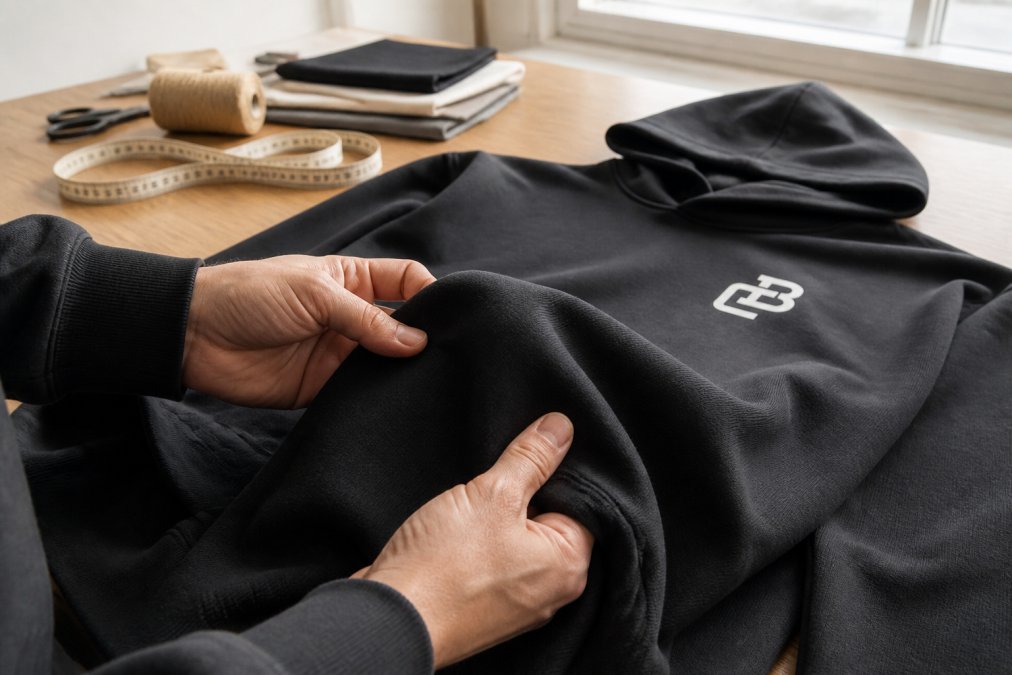
Premium fabric has a distinct hand-feel: it feels substantial without being stiff, soft without being flimsy. Run your fingers across the surface, high-quality fabric has consistent texture. Weight is a practical indicator; a premium t-shirt should feel like it has structure, not like tissue paper.
Look closely at the weave or knit structure. For woven fabrics, the weave should be tight and even. For knits, the stitches should be uniform and consistent. Check for pilling resistance by gently rubbing a small area. Premium fabrics resist pilling because the fibers are stronger and hold together more securely.
Examine the color for evenness and consistency. Premium fabrics hold color better because the dye penetrates evenly. Hold the fabric up to light, you should see a tight, consistent weave. If light passes through easily or you see holes and gaps, the fabric is loosely constructed.
Construction Techniques and Seam Quality
Construction separates premium garments from fast-fashion basics. Examine seams under good light, they should be straight, even, and secure, typically 8-12 stitches per inch. Premium garments use double-stitched seams or additional reinforcement at stress points like underarms and crotches, where garments fail first under normal wear.
Check the seam allowance, the fabric between the stitch line and the fabric edge. Premium garments typically have wider seam allowances because this provides room for repairs later. Cheap garments often have minimal seam allowance, making them impossible to alter or repair.
Premium hems are finished cleanly with invisible or nearly invisible stitching and consistent width. Interlining, the internal structure supporting collars, cuffs, and button bands, should maintain its shape through repeated washing. Cheap garments use low-quality interlining that deteriorates, causing collars to curl and button bands to warp.
Signs of Well-Made Clothing
Hardware quality is immediate and obvious. Check buttons, zippers, and snaps. Premium buttons feel substantial, typically made from natural materials like bone or high-quality plastic. They're sewn on securely with reinforcement underneath. Zippers in premium garments move smoothly and don't catch; they're typically branded zippers from manufacturers like YKK.
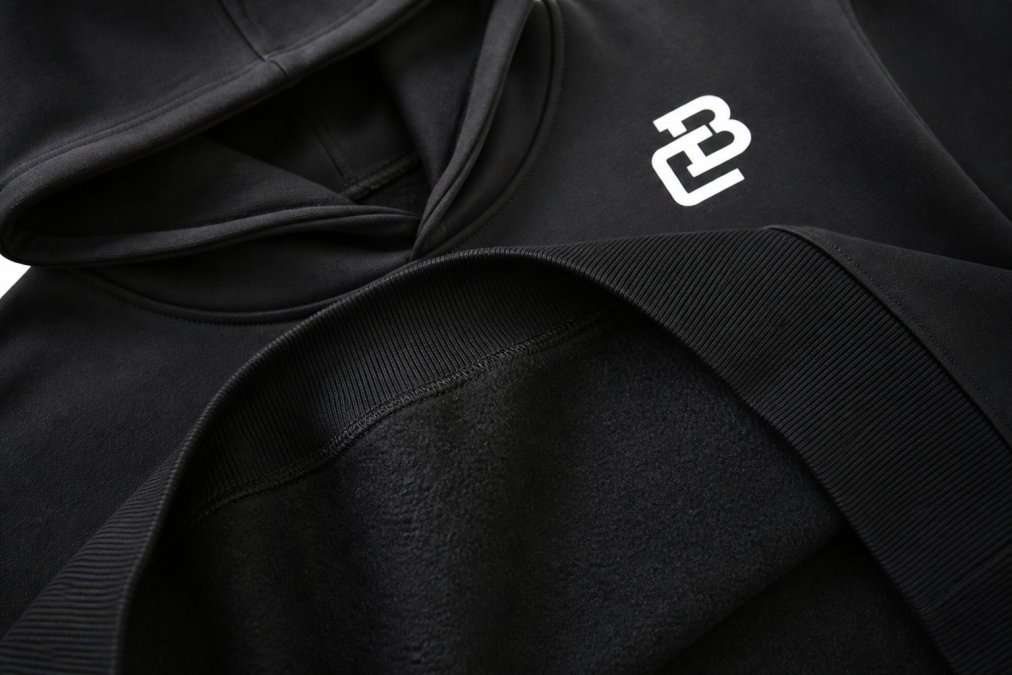
Examine the interior finishing. Premium garments finish their interiors thoughtfully, seams are bound or finished so they don't fray. The inside should look almost as well-made as the outside. Symmetry indicates quality control; patterns should match at seams, stripes should align, and plaids should line up.
Label placement and printing quality matter more than most realize. Premium garments have well-printed labels that don't fade after one wash. The fit itself is a marker of quality, shoulders sit correctly, sleeves have appropriate cap ease, and armholes are positioned correctly.
Durability, Cost-Per-Wear, and Lifecycle Value
Premium clothing's true value emerges over time. A $100 hoodie that lasts five years costs $20 per year. A $30 hoodie that lasts one year costs $30 per year. Cost-per-wear is the most honest way to evaluate clothing investment. A $75 piece you wear 200 times costs $0.38 per wear. A $25 piece you wear 40 times costs $0.63 per wear. Premium clothing wins because you actually wear it more often and it lasts longer.
Durability comes from the combination of fiber quality, construction precision, and thoughtful design. A well-made garment maintains its shape, color, and structural integrity through dozens of wash cycles. The Birch & Co. Unisex Oversized Heavyweight Hoodie exemplifies this durability principle. Made from premium heavyweight 100% cotton, it's designed as an investment piece that will look and feel nearly identical after 50 washes as it does new.

Garment maintenance directly impacts lifespan. Premium garments reward proper care. Washing in cold water, air drying, and minimal manipulation extends life significantly. This means premium clothing actually becomes more economical the more carefully you treat it.
How to Care for Premium Garments
Cold water preserves fiber integrity and color better than hot water. Most premium garments should be washed in cold water. Harsh detergents break down fibers over time; premium garments benefit from gentle, pH-neutral detergents. Avoid bleach and optical brighteners, which damage fibers and fade colors.
Air drying preserves garment structure far better than machine drying. Machine heat damages fibers, causes shrinkage, and accelerates deterioration. Minimize washing frequency, premium garments don't need washing after every wear. Spot-cleaning minor stains and airing garments between wears reduces washing frequency dramatically.
Storage affects longevity. Hang pieces that stretch easily or store them folded to prevent hanger marks. Use cedar blocks or lavender sachets for natural moth prevention. Keep garments in a cool, dry environment. Repair minor damage immediately, a small hole is easy to repair, but left untended, it becomes a large hole.
The Role of Ethical Manufacturing and Sustainable Supply Chains
What makes clothing truly premium extends beyond the garment itself to how it was made. Premium brands typically maintain greater transparency about their supply chain. They can tell you where fibers are sourced, where garments are manufactured, and what labor standards are maintained.
Fair labor practices contribute to product quality. When workers are treated well and compensated fairly, they take pride in their work. Quality suffers when workers are rushed, underpaid, and undervalued. Premium garments often come from facilities with higher labor standards because those facilities invest in worker training and quality control.
Environmental responsibility in manufacturing affects both the planet and the product. Sustainable dye processes produce more consistent colors. Responsible water management maintains fiber quality. Waste reduction often correlates with precision manufacturing that creates fewer flaws.
Sustainable supply chains often mean shorter supply chains. Local or regional manufacturing reduces transportation, which means fresher products and better quality control. According to [EXTERNAL_LINK: the United Nations Environment Programme's Fashion Industry Report | unep.org], the fashion industry's environmental impact is substantial, making sustainable practices increasingly important for both ethical and quality reasons.
Research from [EXTERNAL_LINK: the Sustainable Apparel Coalition's Higg Index | cascale.org] shows that supply chain transparency correlates with quality metrics. The Birch & Co. commitment to curated, premium essentials reflects this principle. The focus on timeless design and lasting quality means pieces are made to be kept, not replaced seasonally.
:::pro tip Look for brands that publish their supply chain information. Certifications like Fair Trade, Global Organic Textile Standard (GOTS), or similar third-party verification indicate genuine commitment to ethical practices. These certifications require auditing and transparency, which also supports quality control. :::
Premium clothing represents a different approach to getting dressed. Instead of chasing trends and replacing basics constantly, premium pieces are built to be worn repeatedly, cared for thoughtfully, and kept for years. The markers of quality, superior fiber composition, precise construction, ethical manufacturing, and thoughtful design, aren't luxuries. They're investments in pieces that will actually simplify your wardrobe and elevate your daily routine.
Birch & Co. approaches everyday essentials with this philosophy at its core. Each piece is selected for timeless design and lasting quality. When you understand what makes clothing truly premium, you recognize that quality pieces deliver genuine value through years of reliable wear and consistent performance.
Frequently Asked Questions
What does premium mean in the context of clothing quality?
Premium clothing combines superior natural fibers, meticulous construction, and thoughtful design that prioritizes durability and timeless style over trends. It reflects investment in fiber density, thread count, and finishing processes that resist pilling and maintain colorfastness. Premium pieces are built to last years, not seasons, making them true investment pieces that reduce cost-per-wear over time.
How can you tell the difference between luxury and premium clothing?
Premium clothing focuses on quality construction, natural fibers, and longevity at accessible price points. Luxury branding often emphasizes heritage, exclusivity, and designer labels. Both share superior materials and craftsmanship, but premium prioritizes value and functionality, while luxury may include brand prestige. Premium garments deliver real quality without the luxury markup, pieces designed to simplify your wardrobe through timeless, functional design.
What are the most durable natural fibers for everyday wear?
Long-staple cotton, linen, and merino wool are among the most durable natural fibers. Long-staple cotton offers superior tensile strength and resists pilling better than standard cotton. Linen provides exceptional breathability and thermal regulation, improving with age. Merino wool combines durability with natural temperature control. These fibers maintain textile integrity through repeated washing and wear, making them ideal for investment pieces that last.
How does ethical manufacturing impact the premium status of a garment?
Ethical manufacturing and sustainable supply chains directly affect premium quality. Responsible textile sourcing and quality control processes ensure better materials reach production. Fair labor practices typically correlate with higher craftsmanship and attention to detail in seam construction and finishing. Garments made under ethical conditions tend to have superior quality control, meaning fewer defects and longer garment longevity. This creates genuine premium pieces that align with conscious consumer values.
This article was written using GrandRanker