

Table of Contents
- What Slow Fashion Means for Family Wardrobes
- How to Build a Capsule Wardrobe for Children
- Benefits of Organic Cotton for Kids and Durability
- Slow Fashion vs Fast Fashion Cost Analysis
- Environmental and Ethical Impact on Future Generations
- Hand-Me-Downs and Circular Wardrobing for Families
- Making the Transition: Practical Steps for Your Family
Last Updated: August 20, 2026
What Slow Fashion Means for Family Wardrobes
Slow fashion benefits for families start with a fundamentally different approach to how you build and maintain your children's wardrobes. Rather than chasing seasonal trends or replacing clothes frequently, slow fashion prioritizes quality, durability, and timeless design that can be worn across multiple children and seasons. At Birch & Co., we've seen families transform their approach to clothing by focusing on pieces that genuinely last.
The core principle is straightforward: invest in fewer, better items that your children will actually wear. A well-made organic cotton t-shirt in a neutral color becomes a foundation piece that works with multiple outfits, survives countless washes, and eventually passes to a younger sibling. This contrasts sharply with the fast fashion cycle, where cheap materials pill after a few wears and trends shift before a piece has been worn a dozen times.
For families specifically, this shift carries real advantages. You're not constantly shopping for replacements. Your children develop a relationship with their clothing rather than viewing it as disposable. And the financial math works in your favor over time, even though the upfront cost per piece is higher.
The environmental and ethical dimensions matter too. Every garment produced has a carbon footprint and involves labor. When you buy less but buy better, you reduce both. Your purchasing power sends a signal to manufacturers about what you value, and increasingly, brands are responding by improving their practices.
How to Build a Capsule Wardrobe for Children
A capsule wardrobe for children is a curated collection of versatile, quality pieces that mix and match easily. For a child, this typically means 15-25 items that cover all seasons and occasions. The goal is to eliminate decision fatigue while ensuring everything your child owns actually gets worn.
Start by identifying the core neutral base: two or three pairs of well-fitting jeans or pants in durable fabric, three to five plain t-shirts in neutral colors, and one or two long-sleeved shirts. These form the foundation. Add one sweater or cardigan, one lightweight jacket, and one warmer coat. Include two pairs of shoes that work for everyday wear. This base alone covers most situations.
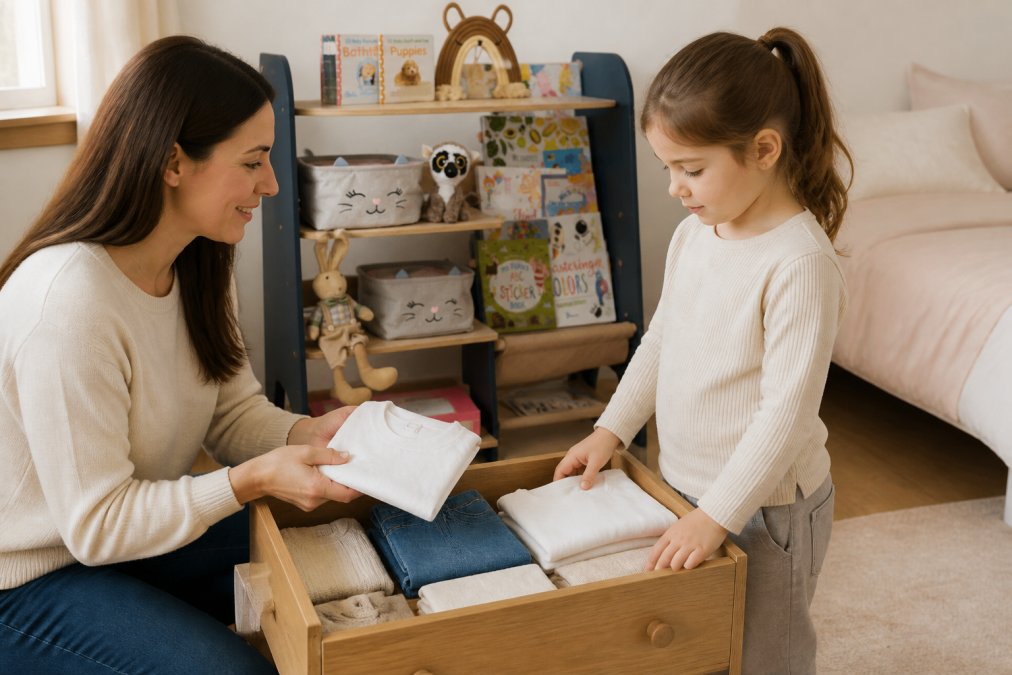
Next, add layering pieces that extend the seasons. A simple long-sleeved shirt under a sleeveless dress creates multiple outfits from fewer items. Lightweight cardigans work in spring and fall. Thermal layers underneath allow winter clothing to work across a longer temperature range.
Choose one or two colors as your "accent" palette, perhaps navy and white, or grey and cream. Every new piece should coordinate with what you already own. This discipline prevents the common problem where you buy something that doesn't match anything else in the closet.
Quality indicators matter here. Look for reinforced seams, buttons that are sewn securely (not glued), and fabric weight that suggests durability. Natural fibers like organic cotton, linen, and wool tend to wear better than synthetic blends. Birch & Co.'s approach to children's clothing reflects this principle, each piece is selected for longevity, not novelty.
The capsule approach works because it removes the pressure to own "something for everything." Your child wears the same few pieces repeatedly, and you notice immediately if something doesn't fit well or hold up. This feedback loop helps you make smarter purchases going forward.
Benefits of Organic Cotton for Kids and Durability
Organic cotton offers real advantages for children's clothing, particularly around durability and skin health. Unlike conventionally grown cotton, organic varieties are produced without synthetic pesticides or fertilizers, which matters when fabric touches a child's sensitive skin for hours daily.
From a durability standpoint, organic cotton typically has longer fiber length than some conventional cotton, which means stronger yarn and fabric that resists pilling and tearing. Garments made from quality organic cotton maintain their shape through repeated washing and wearing. A well-made organic cotton shirt can genuinely last through multiple children in a family.
The fabric also responds better to natural dyes and holds color longer. This matters practically, clothing that fades quickly looks worn out even if structurally sound, which tempts you to replace it. Organic cotton pieces maintain their appearance longer, extending the useful life of each garment.
Washing and care are simpler with organic cotton. The fabric tolerates standard washing temperatures and detergents without degrading as quickly as lower-quality materials. You're not managing special care instructions that make laundry more complicated for busy families.
One practical consideration: organic cotton typically costs more upfront than conventional cotton. The price difference reflects genuinely better quality and more sustainable production practices. When you calculate cost-per-wear over the life of the garment, the math shifts significantly in favor of organic pieces. A shirt worn 200 times before being passed to a sibling costs less per wear than a cheaper shirt worn 30 times before falling apart.
Slow Fashion vs Fast Fashion Cost Analysis
The financial case for slow fashion becomes clear when you track actual spending over time. Fast fashion operates on the principle of low price per item, a basic t-shirt for $15 or less. Slow fashion pieces typically cost three to five times that amount. The comparison feels unfavorable until you account for durability and frequency of replacement.
Consider a practical scenario. A fast fashion t-shirt costs $15 but survives perhaps 20-30 washes before pilling, fading, or shrinking noticeably. A quality slow fashion t-shirt costs $45 but survives 100+ washes while maintaining appearance. The fast fashion shirt costs $0.50 to $0.75 per wear. The slow fashion shirt costs $0.45 per wear, and that's before accounting for the fact that it can be passed to a younger sibling, cutting the actual cost in half.
For families with multiple children, this advantage compounds. Hand-me-downs are only viable if clothing quality justifies them. Fast fashion pieces typically don't survive the transition between children. Slow fashion pieces do.
Beyond direct cost, consider the hidden expenses of fast fashion. Frequent shopping takes time. Managing a larger wardrobe requires more storage space. Donating or discarding worn-out items creates waste. The environmental cost, measured in water use, chemical pollution, and carbon emissions, isn't reflected in the price tag but affects everyone.
Slow fashion also reduces decision fatigue. When your child's wardrobe is smaller and more intentional, getting dressed takes less time. You're not managing piles of items that don't work together. This efficiency compounds daily.
The transition requires upfront investment. Building a quality capsule wardrobe costs more initially than buying a large quantity of cheap items. For families operating on tight budgets, this barrier is real. The solution is gradual transition, replacing items one at a time as they wear out, prioritizing the pieces your child wears most frequently.
Environmental and Ethical Impact on Future Generations
The clothing industry is one of the largest sources of environmental pollution globally. Fast fashion accelerates this impact by encouraging consumption cycles measured in weeks or months rather than years. Every garment produced consumes water, generates chemical waste, and produces carbon emissions. When clothes are worn briefly then discarded, that environmental cost per wear becomes substantial.
Slow fashion reduces this impact directly. Fewer garments produced means less water consumed, less chemical pollution generated, and fewer emissions produced. When clothing is worn for years and passed between children, the environmental cost is distributed across many more wears, dramatically lowering the per-wear impact.
The ethical dimension involves labor practices. Fast fashion's low prices depend on keeping production costs down, which often means wages that don't meet basic living standards and working conditions that are unsafe. Slow fashion brands typically invest in fair wages and safe working conditions because their business model relies on quality and reputation rather than volume and speed.
For families, this matters beyond the abstract moral argument. The clothing your children wear was produced by someone. Supporting production practices that respect workers' rights and safety aligns your purchasing power with your values. It also sends a market signal, when enough families choose slow fashion, manufacturers respond by improving practices across the industry.
Teaching children about these connections early shapes their values. A child who understands that their clothes represent real choices about environmental impact and worker treatment develops different consumption habits as they age. Slow fashion becomes not just a practical choice but a reflection of what you believe matters.
Hand-Me-Downs and Circular Wardrobing for Families
Hand-me-downs represent one of the most practical slow fashion benefits for families with multiple children. However, they only work when clothing quality justifies the transition. A shirt that's falling apart after one child wears it isn't really a hand-me-down, it's just worn out.
Quality slow fashion pieces are designed to survive multiple children. Reinforced seams, durable fabrics, and timeless design mean that a piece worn by a four-year-old can genuinely be passed to a two-year-old sibling two years later. The garment still has significant useful life remaining.
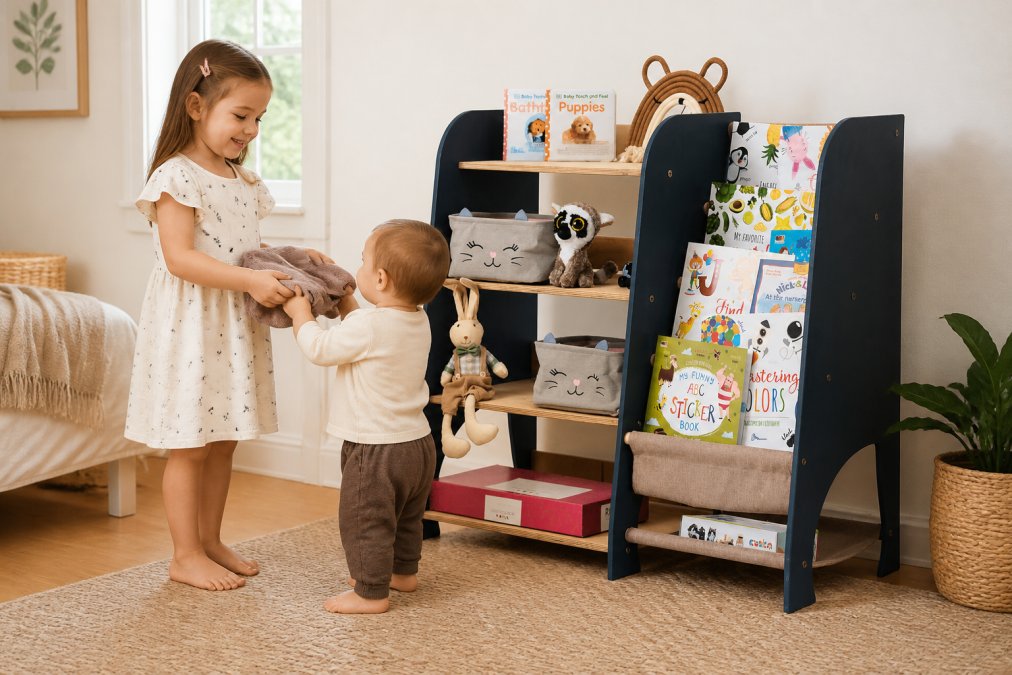
Organizing hand-me-downs requires a different mindset than traditional closet management. Rather than keeping everything your child outgrows, you're selectively preserving pieces that are still in good condition. A simple system, storing off-season and out-of-size items in labeled bins, makes it easy to access pieces when a younger child reaches the appropriate size.
The financial benefit is obvious: you're essentially wearing each garment twice or three times before it's truly worn out. But the practical benefits matter too. You know these pieces have already been tested. You know they're durable because they survived one child's use. You know they fit your family's lifestyle because you've lived with them.
Circular wardrobing extends beyond siblings. Families often swap clothing with friends or cousins whose children are different ages. Some communities organize clothing exchanges where families trade outgrown items. These informal systems work because they're built on the assumption that quality clothing has multiple lives.
Storage and organization become important when you're managing multiple sizes. Clear bins labeled by size and season make it easy to find what you need. Some families photograph items as they store them, creating a visual inventory. This prevents the common problem of forgetting what you have in storage and buying duplicates.
Making the Transition: Practical Steps for Your Family
Shifting to slow fashion doesn't require replacing your child's entire wardrobe overnight. A gradual approach is more practical and financially sustainable. Start by assessing what your child actually wears. For one week, notice which items get worn repeatedly and which sit untouched. The pieces your child reaches for repeatedly are your foundation, these are the items worth investing in quality versions of.
Next, identify the gaps. If your child wears the same three t-shirts constantly, that's a signal to invest in additional quality basics in similar styles. If they outgrow pants quickly, focus on durable pants in neutral colors that match multiple tops. This targeted approach means you're not buying randomly, you're replacing items you know your child will use.
When shopping, read labels carefully. Look for natural fiber content, cotton, linen, wool, rather than synthetic blends. Check seam quality by examining how securely buttons are attached and whether seams are finished properly. Feel the fabric weight; heavier weight typically indicates durability. Don't assume price correlates with quality; some expensive brands use cheap materials, while some moderately priced brands offer genuine durability.
Birch & Co.'s curated selection approach reflects this philosophy. Rather than offering hundreds of options, the collection focuses on pieces that genuinely work for families, items that coordinate easily, withstand repeated washing, and remain timeless as your child grows.
Build relationships with a few brands that align with your values. Once you've found pieces that work well for your child, you know what to expect from future purchases. This reduces decision fatigue and increases the likelihood that new items will integrate well with what you already own.
Involve your child in the process appropriately. Even young children can understand that clothing that lasts longer is better than clothing that falls apart. As they age, they can participate in decisions about what pieces they actually wear and enjoy. This builds awareness about consumption and quality.
Care and maintenance extend garment life significantly. Wash items in cold water, use gentle detergents, and air-dry when possible. Repair small issues immediately, a loose button or small tear is quick to fix but becomes a reason to discard the entire item if ignored. Mending is a practical skill that saves money and reduces waste.
The shift toward slow fashion benefits for families isn't about judgment or perfection. It's about making intentional choices that align with your values while actually saving money over time. Quality pieces that your children wear repeatedly, that survive multiple children, and that you feel good about supporting create a different relationship with clothing than the constant cycle of fast fashion. Start small, build gradually, and notice how your family's relationship with clothing changes when you prioritize quality and durability. Birch & Co. specializes in exactly this approach, curated, timeless pieces designed to simplify your wardrobe and last through the seasons. Explore pieces that work for your family's actual lifestyle rather than aspirational versions of it.
Frequently Asked Questions
What are the main benefits of slow fashion for families?
Slow fashion reduces your family's clothing budget over time through durable garments that outlast trends, lowers environmental impact by minimizing textile waste, and teaches children about conscious consumerism. Quality pieces worn repeatedly cost less per wear than fast fashion items replaced seasonally. Families also benefit from simplified wardrobes that reduce decision fatigue during morning routines and create opportunities to pass clothing between siblings through hand-me-downs.
How does choosing durable clothing save money compared to fast fashion?
A quality garment worn 100 times costs significantly less per wear than a cheap piece worn 5 times before falling apart. Slow fashion pieces made with organic cotton and ethical production last through multiple children or seasons. While upfront costs are higher, families spending $40 on a durable jacket worn by two kids across three years pay roughly $0.37 per wear, compared to $2-3 per wear for fast fashion replacements. Hand-me-downs between siblings multiply this savings further.
What makes organic cotton better for kids' clothing?
Organic cotton is grown without synthetic pesticides or fertilizers, making it gentler on sensitive children's skin and safer for frequent washing. It's more durable than conventional cotton, maintaining softness and shape through multiple washes and wears. The production process uses less water and creates fewer microplastics, reducing environmental harm. For families, this means clothing that stays comfortable and intact longer, reducing the need for replacements and supporting your child's health.
How do I start transitioning my family to slow fashion without overspending?
Begin by identifying gaps in your children's existing wardrobes and purchasing only timeless essentials in neutral colors that mix and match. Focus on quality basics over trendy pieces. Shop secondhand or swap clothing with other families to access quality pieces at lower costs. Build gradually rather than replacing everything at once. Look for pieces designed for durability, like reinforced seams and natural fabrics. Teach children to care for clothing through proper washing and mending, extending garment life.
This article was written using GrandRanker