
Table of Contents
- Quick Comparison: Top Slow Fashion Brands in Canada
- What Defines a Slow Fashion Brand
- Slow Fashion vs Fast Fashion: Why the Difference Matters
- How to Build a Capsule Wardrobe with Slow Fashion Pieces
- Premium Essentials That Stand the Test of Time
- Fabric Certifications and Ethical Manufacturing Standards
- Getting Started: Your First Slow Fashion Purchase
- Frequently Asked Questions
Last Updated: September 1, 2026
Quick Comparison: Top Slow Fashion Brands in Canada
Building a wardrobe that lasts means choosing slow fashion brands in Canada that prioritize quality over volume. The shift away from fast fashion has created space for thoughtful, ethical brands that design pieces meant to stay in your closet for years, not seasons.
At Birch & Co., we've curated a selection of premium everyday essentials that embody slow fashion principles: timeless design, substantial fabric, and craftsmanship that shows. This guide breaks down what defines slow fashion, how it differs from fast fashion, and which brands deliver on the promise of durability and ethical production.
| Brand | Specialty | Price Range | Key Strength |
|---|---|---|---|
| Birch & Co. | Everyday essentials, hoodies, tees | $42-$73 | Heavyweight fabrics, designed in Canada |
| Patagonia | Outdoor wear, activewear | $80-$250+ | Environmental commitment, repair programs |
| Everlane | Basics, outerwear | $50-$180 | Transparent pricing, ethical factories |
| Reformation | Dresses, jeans, sustainable materials | $100-$300+ | Eco-friendly fabrics, size inclusivity |
| Tentree | Basics, loungewear | $45-$120 | Plants 10 trees per item sold |
What Defines a Slow Fashion Brand
Slow fashion is a movement that prioritizes quality, durability, and ethical production over rapid trend cycles and disposable clothing. Brands in this space invest in better materials, fair labor practices, and designs that transcend seasonal trends.
Several characteristics distinguish slow fashion brands from mainstream retailers. First, they use natural fibers like organic cotton, linen, and Tencel, or recycled materials that reduce environmental impact. Second, they maintain transparent supply chains, you can often trace where and how your garment was made. Third, they design for longevity, creating pieces with timeless silhouettes and substantial construction that withstands years of wear.
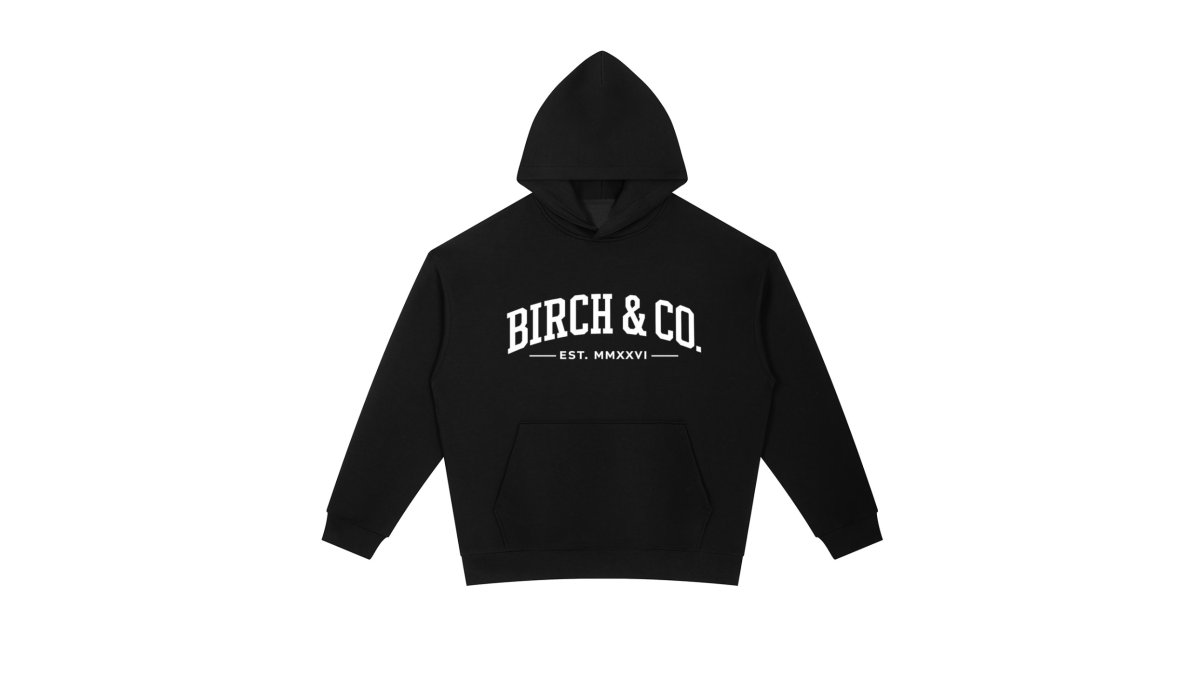
Many slow fashion brands also embrace circular fashion principles. This means offering repair services, take-back programs, or end-of-life garment programs where you can return worn pieces for recycling or upcycling. Birch & Co., for instance, focuses on heavyweight fabrics and minimal branding to ensure pieces remain relevant beyond a single season.
Another hallmark is fair wages and ethical labor practices. Slow fashion brands partner with manufacturers who pay workers fairly and maintain safe working conditions, a stark contrast to the race-to-the-bottom pricing of fast fashion.
Slow Fashion vs Fast Fashion: Why the Difference Matters
The contrast between slow fashion brands in Canada and fast fashion retailers shapes how your wardrobe ages, how much you actually spend, and the environmental footprint of every purchase.
Fast fashion operates on a simple model: produce trends quickly, sell at low prices, and encourage frequent replacement. Retailers like Shein and H&M flood shelves with new designs weekly, capitalizing on impulse purchases. The cost to you feels low upfront, a basic tee for $12. But the hidden cost is real: these garments often fall apart after a handful of washes, forcing you to buy replacements constantly.
Slow fashion flips this model. A Birch & Co. Essential Cotton Tee costs $42, crafted from 100% heavyweight 260 GSM cotton designed to hold its shape through years of wear. The upfront price is higher, but the cost per wear over time is dramatically lower. A tee you wear 200 times costs $0.21 per wear; a $12 fast-fashion tee you wear 20 times costs $0.60 per wear.

Beyond economics, the environmental impact diverges sharply. Fast fashion generates massive textile waste, much of it ends up in landfills or is shipped to developing countries where it contaminates local water supplies. Slow fashion brands minimize waste through smaller production runs, durable construction, and end-of-life programs that keep textiles in circulation.
Labor practices tell another story. Fast fashion relies on low-wage factories where workers face long hours and unsafe conditions. Slow fashion brands prioritize fair wages and transparent partnerships with manufacturers. When you buy from a slow fashion brand, you're funding ethical labor practices.
How to Build a Capsule Wardrobe with Slow Fashion Pieces
A capsule wardrobe is a carefully curated collection of versatile, quality pieces that work together across multiple outfits and seasons. Building one with slow fashion brands ensures every item earns its place.
Start with neutral foundations. Choose 3-4 neutral base colors: black, white, gray, and one earth tone like beige or olive. These colors create a cohesive palette where pieces mix and match effortlessly. Birch & Co.'s Essential Cotton Tee and Essential Heavyweight Hoodie, both available in neutral shades, form the backbone of a functional capsule.

Next, add layering pieces. A quality hoodie, lightweight sweater, and structured overshirt extend the lifespan of your basics by letting you adapt to temperature changes without adding bulk. The Birch & Co. Essential Heavyweight Pocket Hoodie ($69.99) and Essential Cropped Hoodie ($64.00) are designed specifically for this purpose, they layer cleanly and maintain their shape through repeated wear.
Include bottoms that work across seasons: well-fitting jeans, neutral trousers, and joggers. The Birch & Co. Essential Drawstring Jogged Sweatpants ($60.00) offer comfort without sacrificing style, making them suitable for both home and casual outings.
Quality basics extend beyond tops and bottoms. Tanks, long-sleeve tees, and fitted layers create visual interest without requiring new pieces. The Birch & Co. Essential Cotton Tank ($42.00) pairs under dresses, jackets, or worn solo for layered depth.
The key principle: every piece should work with at least three others in your wardrobe. Before buying, ask yourself if you can outfit it five different ways. If not, it doesn't belong in a capsule.
Premium Essentials That Stand the Test of Time
Premium doesn't mean luxury branding or inflated prices, it means materials and construction that justify their cost through longevity.
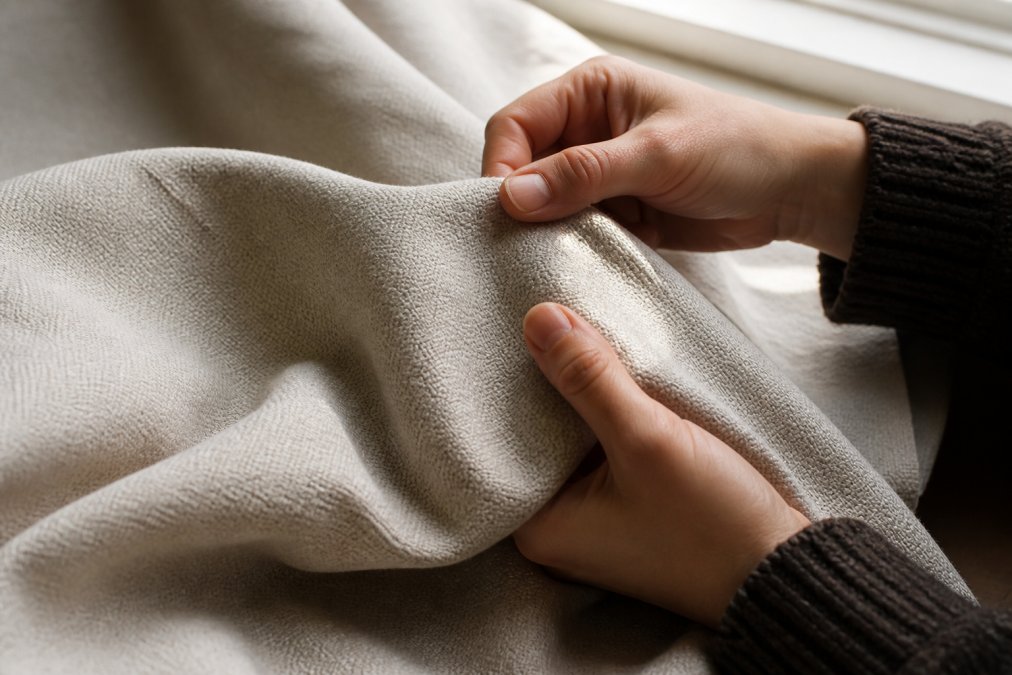
Heavyweight fabrics are the foundation of lasting garments. The Birch & Co. Heavyweight Essential Cotton T-Shirt uses 260 g/m² cotton, substantially heavier than typical retail tees at 150-180 g/m². This weight translates to better shape retention, softer hand feel, and resistance to pilling and thinning. After 50 washes, a heavyweight tee still looks new; a lightweight fast-fashion tee is visibly degraded.
Seam construction matters equally. Slow fashion brands reinforce high-stress areas, underarms, shoulder seams, pocket corners, with double stitching or bar tacks. These details cost more to produce but prevent the unraveling that kills fast-fashion garments within months.
Fiber content directly impacts durability. Natural fibers like organic cotton and Tencel breathe better, age more gracefully, and biodegrade at end-of-life. The Birch & Co. Classic Cotton Hoodie is 100% cotton, avoiding the synthetic blends that pill and lose elasticity. Blended fabrics like the Essential Heavyweight Pocket Hoodie (61% cotton, 39% polyester) balance durability with stretch, offering both structure and comfort.

Minimal branding ensures pieces remain timeless. Heavy logos or trendy graphics date quickly and limit styling options. Birch & Co. uses subtle branding, allowing pieces to feel current in five years rather than dated in one season.
Consider also how brands support garment longevity beyond purchase. Repair guides, replacement parts, and care instructions extend the life of pieces. A hoodie with accessible drawstring replacements or a tee with detailed washing instructions becomes a long-term investment rather than a disposable item.
Fabric Certifications and Ethical Manufacturing Standards
Understanding certifications helps you verify that a slow fashion brand's claims are backed by third-party standards.
GOTS (Global Organic Textile Standard) certifies that fabric is grown without synthetic pesticides and processed without harmful chemicals. This standard also covers social responsibility, ensuring fair wages and safe working conditions. Many slow fashion brands highlight GOTS certification as proof of ethical sourcing.
Fair Trade Certified products guarantee that workers earned fair wages and worked in safe conditions. This certification is particularly important for brands operating in developing countries where labor exploitation is common.
Tencel (also called lyocell) is a regenerated cellulose fiber made from sustainably harvested wood using a closed-loop production process that recycles 99% of solvents. It's biodegradable and requires fewer chemicals than conventional viscose.
Recycled Content Certifications verify that materials are genuinely sourced from post-consumer or post-industrial waste rather than virgin resources. Look for certifications like GRS (Global Recycle Standard) to confirm the percentage of recycled content.
OEKO-TEX Standard 100 tests fabrics for harmful substances, ensuring the final product is safe for skin contact. This certification matters for sensitive skin and indicates rigorous quality control.
When evaluating slow fashion brands, ask for transparency about certifications. Brands that display these credentials prominently, or provide documentation upon request, demonstrate commitment beyond marketing language. Birch & Co. emphasizes design and construction quality; when certifications appear in product descriptions, they're verified and specific.
Getting Started: Your First Slow Fashion Purchase
Making the transition from fast fashion to slow fashion often starts with a single piece. Here's how to choose wisely.
Assess your lifestyle first. If you work in a corporate office, invest in quality trousers or a structured blazer. If you work from home, a premium hoodie or joggers makes sense. Choose a piece you'll actually wear frequently, the cost per wear matters only if you wear it.
Prioritize versatility. Your first slow fashion piece should work with existing items in your wardrobe. A neutral tee or hoodie integrates easily; a bold patterned dress might sit unworn. The Birch & Co. Essential Cotton Tee ($42.00) or Essential Heavyweight Hoodie ($69.99) are ideal entry points because they pair with virtually everything.
Start with basics, not statement pieces. Basics form the foundation of a lasting wardrobe. Once you experience the quality difference of a heavyweight tee that doesn't shrink or pill, you'll understand why slow fashion costs more. Statement pieces can wait until you've built confidence in your capsule.
Research the brand's return policy. Buying premium items online carries risk. Ensure the brand offers hassle-free returns or exchanges if sizing doesn't work. Reputable slow fashion brands stand behind their products because they're built to last.
Read customer reviews carefully. Look for reviews mentioning how pieces have held up after 20+ washes, not initial impressions. Comments like "still looks new after a year" indicate genuine durability. Avoid reviews focused only on fit or style, durability is what separates slow fashion from overpriced basics.
Consider cost per wear, not price. A $70 hoodie worn 300 times costs $0.23 per wear. A $20 fast-fashion hoodie worn 30 times costs $0.67 per wear. Run the math for your expected usage.
The transition doesn't require replacing your entire wardrobe at once. One quality piece per month, chosen thoughtfully, builds a durable, cohesive collection that lasts years and actually costs less than constantly replacing fast-fashion items.
The Case for Slow Fashion
Choosing slow fashion brands in Canada means investing in quality that lasts, supporting ethical labor practices, and reducing your environmental impact. Brands like Birch & Co. prove that durability and timeless design don't require luxury pricing, they require thoughtful construction and genuine commitment to the craft.
Start with one piece. Feel the weight of heavyweight fabric. Wear it 50 times and watch it maintain its shape. That experience will shift how you think about clothing value forever.
According to the Ellen MacArthur Foundation's circular economy research, the fashion industry generates 92 million tonnes of textile waste annually, with slow fashion and circular design emerging as critical solutions. Building a capsule wardrobe with durable pieces directly reduces this waste by extending garment lifespan.
Research from the Sustainable Apparel Coalition's Higg Index demonstrates that garment durability is the single most impactful factor in reducing environmental footprint, a piece worn 200 times has half the environmental impact per wear of one worn 50 times.
For Canadian consumers specifically, Statistics Canada's consumer spending data shows that households spend an average of $2,200 annually on clothing. Shifting toward slow fashion reduces overall spending while increasing satisfaction and wardrobe functionality.
Frequently Asked Questions
What defines a slow fashion brand?
A slow fashion brand prioritizes quality over quantity, using ethical manufacturing practices, natural or certified sustainable fibers, and timeless design. These brands often offer made-to-order or small-batch production, ensure fair wages for workers, and provide garments designed for longevity. Slow fashion brands typically emphasize supply chain transparency and responsibility toward the environment, contrasting sharply with fast-fashion retailers that prioritize rapid production cycles and trend-driven inventory.
How do I know if a clothing brand is truly sustainable?
Look for third-party certifications such as GOTS (Global Organic Textile Standard) for organic cotton, Fair Trade certification for ethical labor practices, or Cradle to Cradle for responsible manufacturing. Check if the brand publishes information about their supply chain, factory locations, and labor practices. Reputable slow fashion brands in Canada often share details about fabric sourcing, production methods, and garment care instructions that encourage longevity. Request certifications or sustainability reports directly from the brand if they're not readily available.
Can I build a capsule wardrobe without spending a lot?
Yes, but slow fashion requires a different spending approach than fast fashion. Instead of buying many cheap items, invest in fewer, higher-quality pieces that work together. Start with neutral basics in natural fibers, a quality cotton tee, heavyweight hoodie, and versatile joggers, then add layering pieces. Premium essentials like the Birch & Co. Essential Cotton Tee ($42) or Essential Heavyweight Hoodie ($69.99) cost more upfront but last years longer than cheaper alternatives, reducing your cost per wear significantly over time.
What materials should I look for in slow fashion clothing?
Prioritize natural fibers like organic cotton, linen, hemp, or Tencel, which are biodegradable and often produced with lower environmental impact. Avoid synthetic fabrics when possible, though some slow fashion brands use recycled polyester or high-quality blends designed for durability. Check fabric weight and GSM (grams per square meter), heavier fabrics like 260 GSM or 400 GSM cotton tend to last longer and resist pilling. Certifications like GOTS for organic cotton or FSC for Tencel indicate responsible sourcing.
Get started with Birch & Co. and experience the difference quality essentials make. Our Heavyweight Essential Cotton T-Shirt ($49.00) and Essential Heavyweight Hoodie ($69.99) form the foundation of a lasting wardrobe designed for everyday living. Browse our full collection of premium basics and discover pieces built to become lifelong favorites.
This article was written using GrandRanker