

Table of Contents
- What Makes Ethical Clothing Brands Worth It for Families
- Eco-Friendly Clothing Materials: A Family Buyer's Guide
- Ethical Clothing Brands for Babies and Toddlers
- Ethical Kids' Clothing: Managing Growth Cycles and Garment Longevity
- Sustainable Choices for Men and Women: Cruelty-Free and Vegan Fashion
- How to Build a Sustainable Capsule Wardrobe for Your Whole Family
- Birch & Co. Family Essentials: Timeless Basics That Last
- Conclusion
Last Updated: August 18, 2026
Conscious consumerism is reshaping how families shop. At Birch & Co., we curate everyday essentials that last rather than pieces that pile up in landfill after two seasons. The best ethical clothing brands for families prioritize materials, labor practices, and garment longevity over churn. Below, we've organized everything a family needs to make genuinely informed choices, from certifications to cost-per-wear math to what to do when kids outgrow their clothes.
Quick Picks:
- Best for babies and toddlers: Organic cotton rompers and one-piece pyjamas in non-toxic, GOTS-certified fabrics
- Best for kids who outgrow everything: Durable fleece and cotton basics sized for growth, paired with a circular hand-me-down system
- Best overall family approach: A small capsule wardrobe built on slow fashion principles and cost-per-wear thinking
What Makes Ethical Clothing Brands Worth It for Families
Ethical clothing brands prioritize fair labor, sustainable sourcing, environmental responsibility, and supply chain transparency. For families buying for multiple people at once and cycling through sizes quickly, the stakes are higher than for individual shoppers.

The case for ethical clothing is practical: garments made with organic cotton and non-toxic dyes, sewn by workers earning a living wage, are constructed to a higher standard than fast fashion equivalents. That means fewer replacements, lower cost over time, and less chemical exposure for children who spend their days crawling, sweating, and putting things in their mouths.
Certifications and Transparency Standards to Look For
The most meaningful certifications for families are:
- GOTS (Global Organic Textile Standard): Covers both organic fibre status and social criteria of production. The entire supply chain has been audited, not just the raw material.
- OEKO-TEX Standard 100: Tests finished garments for over 100 harmful substances. Particularly relevant for baby and children's clothing.
- Fair Trade Certified: Ensures workers receive fair wages and safe working environments.
- bluesign: Addresses chemical use, resource efficiency, and worker safety in textile manufacturing.
The GOTS certification standards and scope are publicly available and worth reviewing before trusting a brand's self-reported claims.
Fair Trade, Living Wages, and Supply Chain Transparency
Supply chain transparency is where most brands fall short. Look for brands that name their suppliers, publish social audits, and commit to traceability. The Ethical Trading Initiative's base code for labor standards provides a useful benchmark for what genuine supply chain accountability looks like.
Eco-Friendly Clothing Materials: A Family Buyer's Guide
Choosing the right eco-friendly materials is the single most impactful decision a family can make when building a sustainable wardrobe.
Organic Cotton, Hemp, and Linen
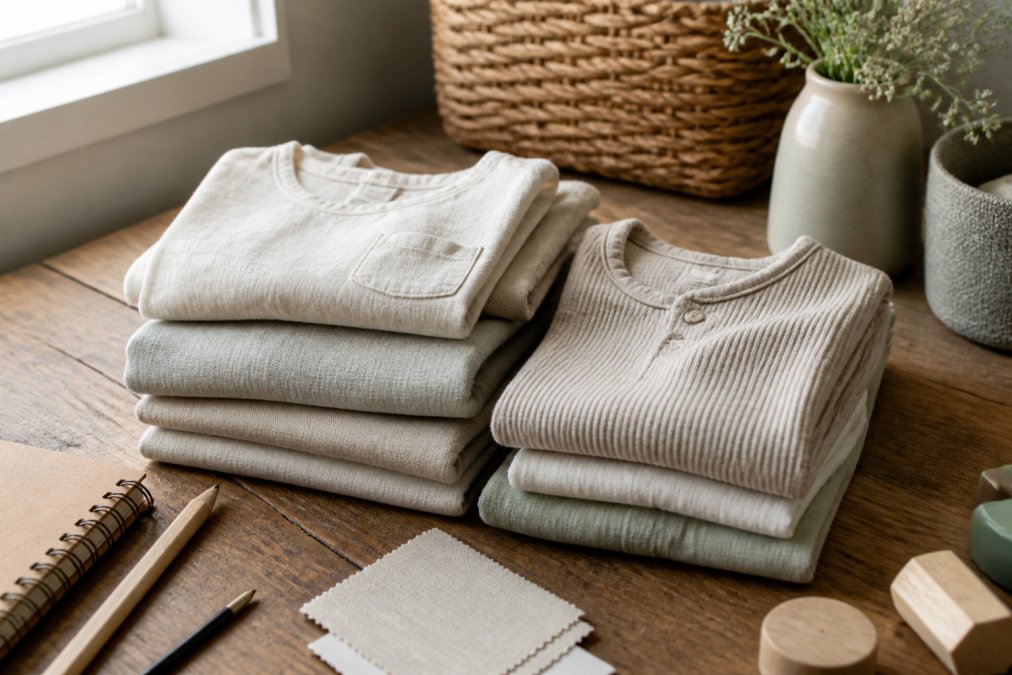
Organic cotton is grown without synthetic pesticides or fertilizers, which matters most for babies and toddlers whose skin is more permeable and reactive. It breathes well, washes reliably, and softens with use.
Hemp requires minimal water, no pesticides, and improves soil health. Hemp fabric is durable and becomes softer over time, making it well-suited to older kids' and adults' basics. Blended hemp-cotton fabrics tend to perform better for everyday wear.
Linen is biodegradable, breathable, and exceptionally durable. It's best suited to warm-weather garments for adults and older children, and softens beautifully with washing.
Tencel, Recycled Polyester, and Bamboo Viscose
Tencel (Lyocell) is produced from sustainably sourced wood pulp using a closed-loop process that recycles water and solvents. It's soft, moisture-wicking, and biodegradable, working well for activewear and layering.
Recycled polyester diverts plastic waste from landfill and ocean. The trade-off: it sheds microplastics during washing. A microplastic-catching laundry bag reduces this significantly.
Bamboo viscose is often marketed as eco-friendly, but processing typically involves chemical-intensive methods. Unless certified under OEKO-TEX or comparable standard, treat bamboo viscose claims with skepticism.
| Material | Best For | Biodegradable | Key Consideration |
|---|---|---|---|
| Organic cotton | All ages, everyday wear | Yes | Verify GOTS certification |
| Hemp | Adults, older kids | Yes | Softens with wear |
| Linen | Warm weather, adults | Yes | Wrinkles easily |
| Tencel | Activewear, layering | Yes | Requires closed-loop verification |
| Recycled polyester | Outerwear, fleece | No | Use microplastic laundry bag |
| Bamboo viscose | Soft basics | Partially | Verify OEKO-TEX certification |
Ethical Clothing Brands for Babies and Toddlers
Babies and toddlers benefit most from ethical clothing choices. Their skin absorbs more relative to body weight, and they go through sizes quickly. Invest in a small number of well-made organic pieces that can be passed down or resold rather than buying large quantities of disposable fast fashion.
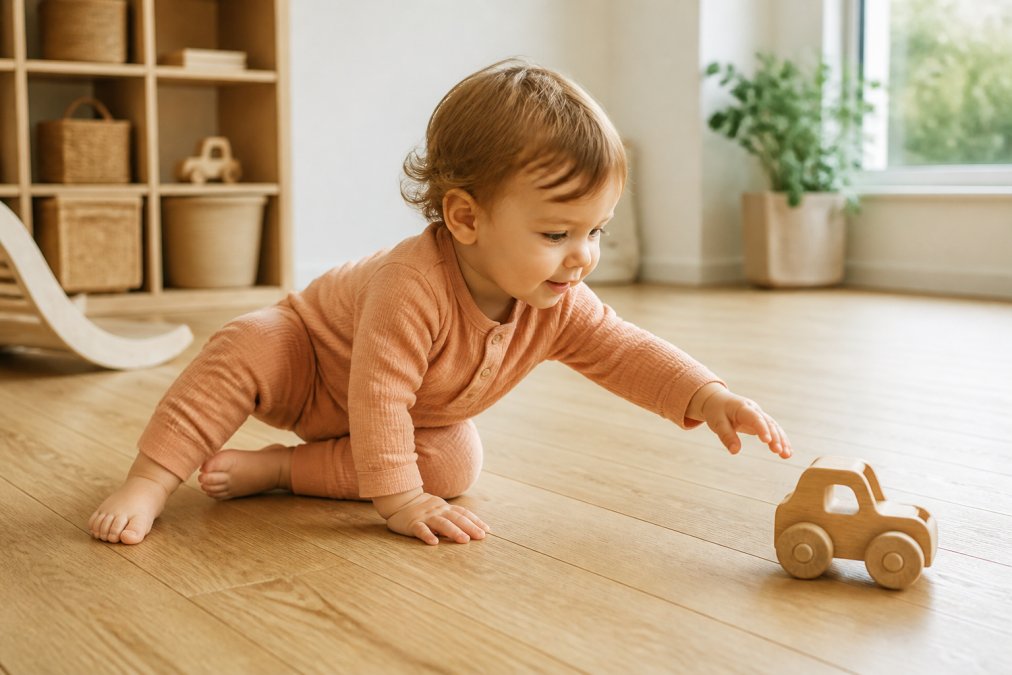
The Birch & Co. baby collection includes pieces from Deux par Deux made with organic cotton jersey, including the Organic Cotton Jersey Romper With Frills Peach at $20.40 and the Organic Cotton Baby One-Piece Pyjama Grey Elephant Print at $16.50.
Allergy-Friendly and Non-Toxic Certifications for Little Ones
For babies with sensitive skin or eczema, certifications matter more than marketing language. The two most relevant are:
- OEKO-TEX Standard 100: Every component of the finished garment, including threads, buttons, and dyes, is tested for harmful substances.
- GOTS: Covers organic fibre content and prohibits toxic dyes and finishing agents throughout the supply chain.
Non-toxic dyes are essential for baby clothing. Conventional textile dyes can contain azo compounds and heavy metals that have no place near infant skin.
Ethical Kids' Clothing: Managing Growth Cycles and Garment Longevity
The biggest challenge in ethical kids' clothing is the growth cycle. A child can move through two or three sizes in a single year. The answer isn't to abandon ethical clothing, it's to think about garment longevity and end-of-life from the moment of purchase.
Garment longevity strategies for families:
- Buy neutral colorways that can be mixed, matched, and passed between siblings
- Choose classic cuts over trend-driven silhouettes
- Prioritize durability markers: double-needle stitching, reinforced seams, quality elastic
- Size up by one where fit allows, extending the wear window
The Essential Kids' Fleece Hoodie from Birch & Co. at $54.99 is made from 365 g/m² heavyweight fleece with ribbed cuffs and a relaxed unisex fit, designed to hold its shape through repeated washing and active use.

End-of-Life Garment Management and Circular Economy Options
Most guides stop at "buy ethical." Few address what happens when a garment is outgrown or worn out.
Practical end-of-life options:
- Pass it forward: A well-made garment in a neutral color can go to a younger sibling, cousin, or neighbor.
- Consignment and second-hand: Platforms and local consignment shops accept quality children's clothing in good condition.
- Textile recycling: Many municipalities in Canada offer textile collection programs. According to Environment and Climate Change Canada's guidance on textile waste, textiles are one of the fastest-growing waste streams.
- Repair: Basic mending skills extend wear significantly.
- Upcycling: Outgrown t-shirts become cleaning cloths or craft materials.
Sustainable Choices for Men and Women: Cruelty-Free and Vegan Fashion
Sustainable fashion for adults operates differently than kids' clothing. Adults stay in the same size for years, making the cost-per-wear math work strongly in favor of investing in quality ethical pieces.
Cruelty-free and vegan fashion avoids animal-derived materials including leather, wool, down, and silk. The key question: is the vegan alternative genuinely lower impact, or does it simply avoid animal products while introducing petroleum-based synthetics?
For most adults building a slow fashion wardrobe, the most practical approach is a small collection of durable, ethically made basics in natural or certified recycled fibres. Linen shirts, organic cotton trousers, and Tencel knitwear hold their shape and relevance season after season.
A genuine capsule wardrobe for adults typically contains 20-30 pieces that cover all occasions. The environmental impact versus a conventional wardrobe is significant: fewer purchases, less shipping, less waste.
How to Build a Sustainable Capsule Wardrobe for Your Whole Family
Building a sustainable capsule wardrobe for a family means applying slow fashion principles across multiple people with different needs, sizes, and preferences.
Family capsule wardrobe checklist:
- Identify actual wardrobe needs for each family member
- Audit what you already own before buying anything new
- Identify genuine gaps, not wants
- Set a cost-per-wear threshold for each category
- Research ethical clothing brands that cover your gaps
- Buy one quality piece rather than three cheap ones
- Build in a hand-me-down or resale plan from the moment of purchase
- Schedule a seasonal wardrobe review
Budgeting by Cost-Per-Wear, Not Sticker Price
Cost-per-wear is the most honest way to evaluate clothing purchases. A $40 t-shirt worn 100 times costs $0.40 per wear. A $10 t-shirt that fades after 15 washes costs $0.67 per wear.
The math consistently favors quality over volume. For families, this calculation is most powerful when applied to high-use items: school basics, outerwear, and footwear.
Second-Hand, Consignment, and Upcycled Options
Second-hand clothing is the most sustainable option available. Well-made ethical pieces from quality brands show up in second-hand markets in excellent condition because they were built to last.
For families, a hybrid approach works well: buy second-hand where possible for fast-growing children, invest in quality new pieces for adults and for items where fit and condition are critical.
Upcycled clothing, made from deadstock fabrics or reconstructed from existing garments, represents another tier of conscious consumerism with a genuinely low environmental footprint.
Birch & Co. Family Essentials: Timeless Basics That Last
The best ethical clothing brands for families aren't the ones with the most certifications. They're the ones that make pieces you actually reach for every day, season after season.
Birch & Co. approaches family clothing by focusing on timeless design, thoughtful construction, and a curated selection that makes it easy to build a wardrobe rather than a pile.
For kids, the Organic Cotton Kids T-Shirt at $39.99 is made from 100% organic ring-spun combed cotton at 155 g/m², a weight that holds its shape through heavy use. The Essential Kids' T-Shirt at $32.99 offers breathable 175 GSM cotton in a unisex fit for school, playtime, and everything between.

For younger children, the organic cotton underwear range from Deux par Deux, including the Organic Cotton Boxer Beige Truck Print and the Organic Cotton Boxer Blue Dino Print at $12.00 each, brings organic cotton standards to everyday basics.
Construction quality is visible if you know what to look for: double-needle stitching on hems, set-in sleeves, quality collar ribbing, and fabric weight all signal garments built for longevity.
According to the Textile Exchange's material benchmark standards, organic cotton certification requires third-party verification at every stage of production, from field to finished garment.
| Birch & Co. Kids' Essential | Price | Material | Best For |
|---|---|---|---|
| Organic Cotton Kids T-Shirt | $39.99 | 100% organic ring-spun cotton | Everyday wear, sensitive skin |
| Essential Kids' T-Shirt | $32.99 | 100% cotton, 175 GSM | School, play, casual outings |
| Essential Kids' Fleece Hoodie | $54.99 | 69% polyester, 31% cotton fleece | Cooler weather, layering |
| Organic Cotton Boxer (3 prints) | $12.00 each | Organic cotton with stretch | Everyday basics |
| Organic Cotton Baby Pyjama | $16.50 | 100% organic cotton | Newborn to toddler sleep |
| Organic Cotton Romper (Frills) | $20.40 | Organic cotton jersey | Baby warm-weather wear |
Share your family's everyday essentials on social media and tag #SHOPBIRCHANDCO for a chance to be featured.
Building a genuinely ethical wardrobe for a family takes more thought than a single shopping trip, but the framework is straightforward: prioritize certified materials, understand your supply chain, think in cost-per-wear rather than sticker price, and plan for end-of-life from the moment of purchase. Birch & Co. makes this easier with a curated selection of timeless basics for the whole family, from organic cotton baby rompers to heavyweight kids' fleece, all designed to simplify your wardrobe rather than add to it. Explore the full Birch & Co. family collection and get started building basics that actually last.
Frequently Asked Questions
What criteria define an ethical clothing brand?
Ethical clothing brands for families typically meet several standards: they use eco-friendly materials like organic cotton or recycled polyester, pay workers a living wage, maintain supply chain transparency, and hold third-party certifications such as GOTS (Global Organic Textile Standard) or OEKO-TEX. Sweatshop-free manufacturing, low-impact dyes, and honest environmental claims are also strong indicators. Look for brands that publish sourcing information and back their claims with verifiable certifications rather than vague marketing language.
Are there affordable ethical clothing brands for families?
Ethical clothing does cost more upfront than fast fashion, but the cost-per-wear over time is often lower because the garments last longer. For families on a budget, prioritizing organic cotton basics for kids, shopping second-hand or consignment for fast-growth stages, and buying versatile pieces that work across seasons all reduce overall spending. Birch & Co. offers organic cotton kids' tees starting at $32.99 CAD and baby rompers from $16.50 CAD, making ethical basics accessible without sacrificing quality.
What are the benefits of choosing organic fabrics for children?
Organic cotton and other certified natural fabrics are grown and processed without synthetic pesticides or harsh chemical dyes, which matters most for children with sensitive skin or allergies. OEKO-TEX certified fabrics are tested for harmful substances, reducing the risk of skin irritation. Beyond comfort, organic farming practices have a lower environmental impact than conventional cotton production, which typically uses significant amounts of water and agrochemicals. For babies especially, non-toxic, biodegradable materials are the safest choice.
How can I manage kids' clothing as they grow out of it quickly?
Children's rapid growth cycles make the circular economy especially practical for families. Buying quality pieces in organic cotton or durable blends means garments hold up well enough to pass down to younger siblings or sell through consignment. Local buy-and-sell groups, clothing swaps, and second-hand platforms are good options. Some ethical brands also design with longevity in mind, using reinforced seams and neutral colorways that stay wearable across multiple children. End-of-life options include textile recycling programs and upcycling worn items into cleaning cloths or patches.
How do I verify whether a clothing brand is truly sustainable?
Check for third-party certifications: GOTS covers organic fiber standards and ethical labor, OEKO-TEX Standard 100 confirms garments are free of harmful substances, and Fair Trade Certified addresses worker wages and conditions. Beyond labels, look for brands that publish supplier lists or factory audits. Vague claims like 'eco-friendly' or 'conscious collection' without supporting certifications are a common greenwashing signal. Transparent brands are specific about their materials, sourcing countries, and manufacturing partners.
This article was written using GrandRanker