

Table of Contents
- Why Fabric Care Determines How Long Clothes Last
- How to Maintain Quality Clothes: The Core Routine
- How to Wash Premium Cotton Without Damage
- Garment Care Symbols Explained: A Quick Reference
- Drying and Ironing: Where Fabric Damage Happens
- Best Practices for Clothing Longevity: Storage and Maintenance
- Troubleshooting Common Laundry Problems
- Final Thoughts on Caring for Your Wardrobe
- Frequently Asked Questions
Last Updated: September 9, 2026
Why Fabric Care Determines How Long Clothes Last
Most people assume a garment's lifespan is decided at the factory, but fabric care determines how long clothes last more than the initial construction quality. A well-made cotton tee can be ruined in a single hot dryer cycle, while a modestly priced piece can serve you for years with the right routine.
Maintaining quality clothes does not require expensive products or hours of extra time, just a simple, repeatable system that prevents shrinkage, color fading, and pilling. Below, we show you how to build that system, step by step.
How to Maintain Quality Clothes: The Core Routine
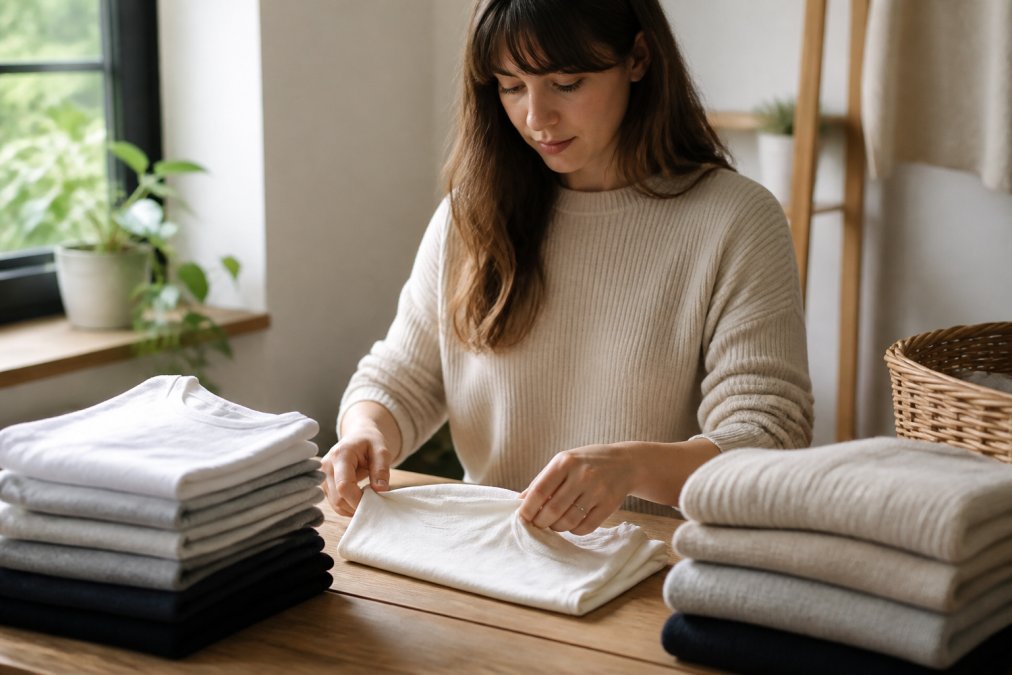
The most effective way to maintain quality clothes is a consistent care routine built on three pillars: reading labels, sorting properly, and choosing gentle cleaning methods. This takes about five extra minutes per load but can double the usable life of your wardrobe, since most damage happens during washing and drying, not wear.
Step 1: Read the Care Label Every Time
The care label is the manufacturer's instruction manual and the single most reliable guide you have. Before washing anything, check it for the recommended water temperature, cycle type, and drying method, natural fibers like cotton and linen often require different handling than synthetic blends.
Step 2: Sort by Color, Fabric, and Soil Level
Sorting is about more than separating whites from darks. Group items by fabric weight so delicates are never tossed in with denim or heavy knits, which cause abrasion and pilling. Also sort by soil level: heavily soiled pieces need a longer cycle, while lightly worn items benefit from a short, gentle one.
How to Wash Premium Cotton Without Damage
Premium cotton's long staple fibers create a smooth, durable surface, but they are vulnerable to heat, aggressive agitation, and alkaline detergents. The goal is to clean effectively while minimizing stress on the fiber structure.
The Ideal Wash Cycle for Cotton
For most premium cotton pieces, heavyweight tees, hoodies, and woven shirts, the safest default is a cold water cycle at 30°C or below. Cold water prevents the fiber swelling that leads to shrinkage and preserves dyed colors. If a garment is heavily soiled, a warm cycle up to 40°C is acceptable, but never exceed the care label temperature.
Choose the gentle or delicate cycle to reduce the mechanical agitation that causes surface abrasion, the primary culprit behind fading and fuzziness. A shorter spin cycle also reduces creasing, making ironing easier.
Detergent Chemistry: Why Mild Matters
Standard detergents often contain harsh surfactants and optical brighteners that strip natural oils from cotton fibers, leaving them stiff and dull. For premium cotton, use a liquid detergent free of chlorine bleach and optical brighteners, look for plant-based or enzyme-based formulas that break down body oils and stains without attacking the fiber.
A common mistake is using too much detergent: excess suds trap soil and redeposit it onto fabric, causing graying and a rough texture. Follow the dosage instructions, and use less if you have soft water.
The Case Against Fabric Softener
Fabric softeners coat cotton fibers with a waxy residue that builds up over time, reducing breathability and moisture-wicking properties and making stains harder to remove. Instead, add a half cup of white vinegar to the rinse cycle, it dissolves alkaline detergent residue, softens fabric, and neutralizes odors without leaving a scent.
Inside-Out and Mesh Bags: Your Best Defense
Turning cotton garments inside out before washing protects the outer surface from friction, preserving color and preventing the micro-abrasion that leads to pilling. For printed or embroidered pieces, this is non-negotiable.
For delicate cotton items like lace-trimmed tops or lightweight shirting, use a fine-mesh laundry bag to prevent straps or loose threads from snagging on zippers or buttons.
A Fabric-by-Fabric Note: Organic vs. Conventional Cotton
Organic cotton is often spun more loosely than conventional cotton, making it softer but more prone to shrinking and losing shape. Wash organic pieces exclusively in cold water and air dry flat, the lower yarn tension requires gentler handling.
Stain Treatment for Cotton
Cotton is forgiving with stains because its fibers withstand enzyme-based treatments. For protein-based stains like blood or sweat, rinse with cold water first, hot water sets the protein. For oil-based stains, apply dish soap directly, work it in, and let it sit for 10 minutes. For plant-based stains like grass or wine, an enzyme-based prewash is most effective.
Garment Care Symbols Explained: A Quick Reference
Garment care symbols are a universal shorthand for how to wash, dry, bleach, and iron each fabric safely. A washtub indicates washing instructions, a square represents drying, a triangle means bleach is allowed or prohibited, and an iron symbol shows maximum heat. A line underneath any symbol means the garment requires a gentler cycle.
Learning these symbols takes under a minute and removes guesswork from every load. If unsure, default to the most conservative option: cold water, low heat, and air dry.
| Symbol Type | What It Means | Safe Default |
|---|---|---|
| Washtub | Washing method and temperature | Cold, gentle cycle |
| Square | Drying method | Air dry flat |
| Triangle | Bleach instructions | No bleach |
| Iron | Maximum ironing heat | Low heat or steam |
Drying and Ironing: Where Fabric Damage Happens
More garments are ruined in the dryer than the washer. High heat causes shrinkage, weakens fibers, and accelerates fading, so air drying is safest for most quality pieces. When using a tumble dryer, select the lowest heat setting and remove items while slightly damp.
Ironing also demands care: high heat can scorch natural fibers and melt synthetic blends, so always match the setting to the fabric type. A garment steamer is a gentler alternative that removes wrinkles without pressing fibers flat, preserving texture and drape.
Best Practices for Clothing Longevity: Storage and Maintenance
How you store a garment between wears is as critical as how you wash it. Improper storage can stretch fibers, attract pests, and trap moisture that leads to mildew.
Folding vs. Hanging: A Material-by-Material Guide
Whether to fold or hang depends on the fabric's weight and structure.
Fold these:
- Heavy knits and sweaters (wool, cashmere, thick cotton). Hanging them causes the weight of the fabric to stretch the shoulders and distort the silhouette over time. Fold them neatly and store them on a shelf.
- T-shirts and casual knits. Folding prevents the neckline from stretching out of shape on a hanger.
- Linen garments. Linen is prone to creasing, and hanging can cause permanent stress marks at the shoulder.
Hang these:
- Structured garments like blazers, jackets, and coats. Use a wide, padded hanger that supports the shoulders and maintains the garment's shape.
- Dresses and blouses made from smooth, woven fabrics like silk or viscose. Use a velvet or flocked hanger to prevent slipping and shoulder dimples.
- Trousers. Hang them by the hem using a clip hanger to let gravity pull out wrinkles.
Seasonal Storage: The Moth-Proofing Protocol
Natural fibers like wool, cashmere, and silk are a food source for clothes moths. The larvae feed on keratin in the fibers, leaving behind holes and thinning fabric. Prevention is far easier than repair.
Before storing seasonal items, ensure they are clean, moths are attracted to body oils, sweat, and food stains. Wash or dry clean according to the care label, then ensure items are completely dry before storage.
Use breathable storage containers like cotton canvas or muslin bags, which allow air circulation and prevent moisture buildup. Avoid plastic dry-cleaning bags or airtight bins, which trap humidity and cause mildew or yellowing.
To deter moths, place natural repellents like cedar blocks and lavender sachets in storage areas, renewing their essential oils every few months. For a more effective approach, use pheromone traps, which catch adult male moths and interrupt the breeding cycle, if you catch moths, inspect your woolens immediately for larvae.
The Repair Mindset: Extending Life Beyond the First Wear
Adopting a repair-first mindset is the most sustainable choice you can make for your wardrobe, shifting focus from constant consumption to thoughtful ownership. Most minor damage is fixable with basic skills and a few tools.
Essential repair kit:
- Assorted hand-sewing needles
- Thread in neutral colors (black, white, navy, grey)
- Small, sharp scissors
- A seam ripper
- Extra buttons
- Iron-on fusible interfacing for stabilizing thin fabric
Basic techniques to learn:
- Reattaching a button. This takes two minutes and prevents the loss of a button that may be impossible to match later.
- Darning a small hole. For knitwear, use a darning needle and matching yarn to weave new threads across the hole, recreating the fabric structure. This is a visible repair that adds character to a garment.
- Fixing a loose seam. A simple running stitch or backstitch along the seam line can prevent a small gap from becoming a large tear.
For more complex repairs, like replacing a zipper, restructuring a lining, or tailoring a garment for a better fit, seek out a professional tailor. A good tailor can transform a piece that doesn't fit quite right into a wardrobe staple. This is often a more cost-effective and sustainable choice than buying new.
Troubleshooting Common Laundry Problems
Common laundry problems have straightforward fixes. For pilling, wash garments inside out and separate heavy fabrics from smooth ones. For shrinkage, switch to cold water and air drying, which lets stretched fibers relax. For lingering odors, add a half cup of white vinegar to the rinse cycle rather than rewashing with extra detergent.
For stubborn stains on quality fabrics, apply a targeted stain treatment before laundering and allow it to sit for several minutes. A plant-based prewash like Só Clean Stain Remover & Prewash uses enzymes to break down grass, wine, oil, and food stains without harsh chemicals that can fade or weaken fibers. This product is made in Canada and pairs well with the Só Clean Powdered Laundry Soda for a complete, gentle wash routine.

Final Thoughts on Caring for Your Wardrobe
Caring for quality clothes is not about perfection; it is about consistency. Small habits like reading labels, washing in cold water, and air drying compound over time to deliver a wardrobe that looks better and lasts longer.
At Birch & Co., we believe quality that lasts comes from thoughtful design and responsible ownership. Our collection of everyday essentials for women, men, and kids is made to be worn often and cared for easily. Pair your favorite pieces with plant-based cleaning products from the Só Clean line, and you will keep them looking their best season after season.

Frequently Asked Questions
What is the best way to wash high-quality cotton garments?
Wash premium cotton in cold or lukewarm water (30°C or below) on a gentle or short cycle. Turn garments inside out to protect the outer surface, and use a mild detergent free of optical brighteners. Skip the high-spin setting, as aggressive spinning can distort the fabric's shape. When in doubt, hand washing is the gentlest option. Always check the care label first, since some cotton blends have specific requirements.
How does proper garment care contribute to sustainable fashion?
Proper garment care extends the usable life of your clothing, which is the single most effective way to reduce fashion's environmental footprint. When you maintain quality clothes, you delay the need for replacements and keep textiles out of landfills. Simple habits like washing at low temperatures, air drying, and repairing small tears cut energy use and microplastic shedding. This aligns with slow fashion principles: buy less, choose well, and make it last.
Should I air dry my clothes to maintain fabric integrity?
Yes. Air drying is gentler on fabric fibers than tumble drying, which causes shrinkage, pilling, and elastic breakdown over time. Lay heavy knits and sweaters flat on a clean towel to prevent stretching, and hang lighter items on a drying rack away from direct sunlight, which can fade colors. Reserve the dryer for towels, sheets, and sturdy cotton items. Your clothes will hold their shape and color noticeably longer.
How often should you wash premium everyday essentials?
Less often than you think. T-shirts, undershirts, and activewear need washing after each wear. Premium items like wool sweaters, denim, and structured jackets need washing only every 5 to 10 wears, or when visibly soiled. Over-washing breaks down natural fibers and fades dyes. Instead of reaching for the laundry basket, spot clean small marks and air out garments between wears to keep them fresh and extend their life.